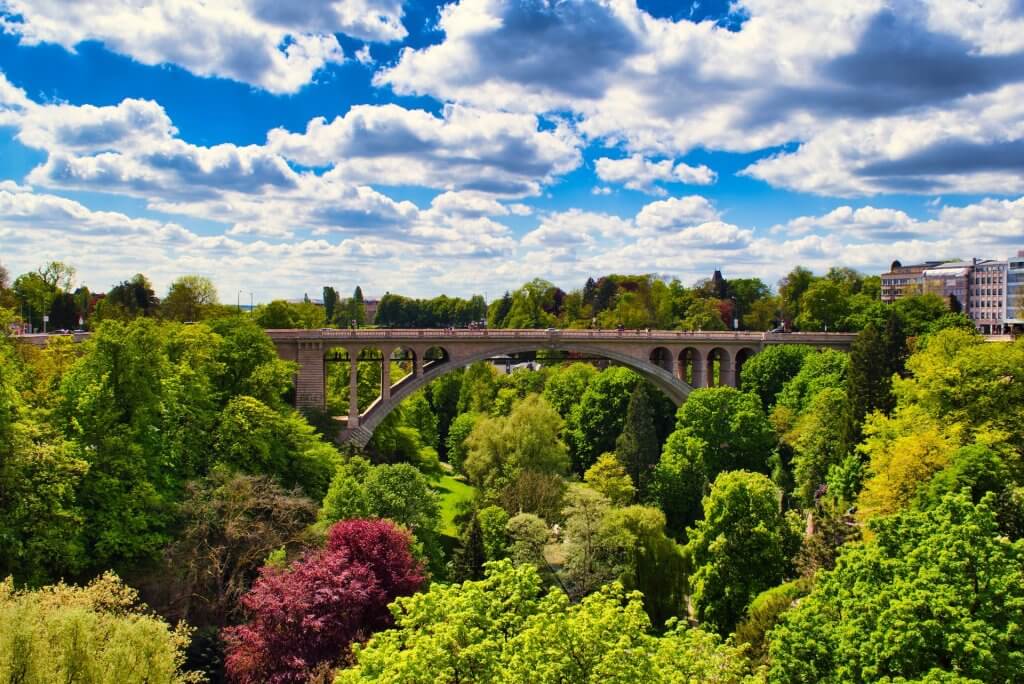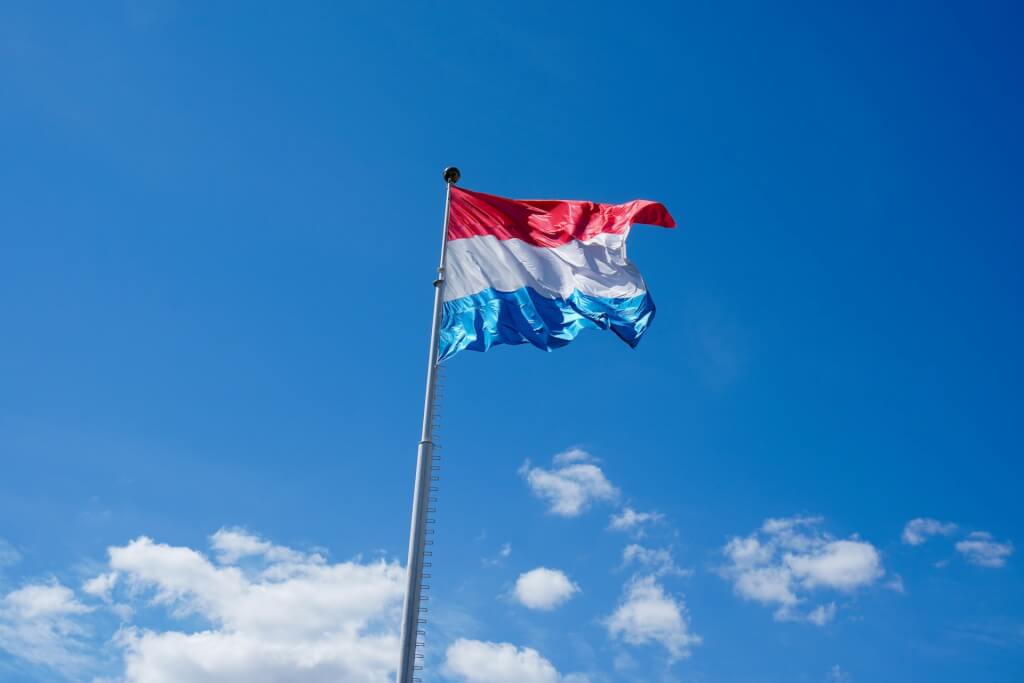
Despite being one of the smallest countries in Europe, there is a lot to do in Luxembourg, a beautiful country, but still little explored by tourists, which is a shame The country is the only one considered a Grand Duchy in the world, that is, the Head of State is a monarch with the title of Grand Duke. But despite this, Luxembourg's political system itself is not a monarchy but parliamentarism. Because it is very small, it is easy to visit its main attractions, located in the capital, which has the same name as the country – Luxembourg City. So, take a look here with us and discover the charms of this city, still walled, that looks like a fairy tale scenario.
Top Attractions In Luxembourg
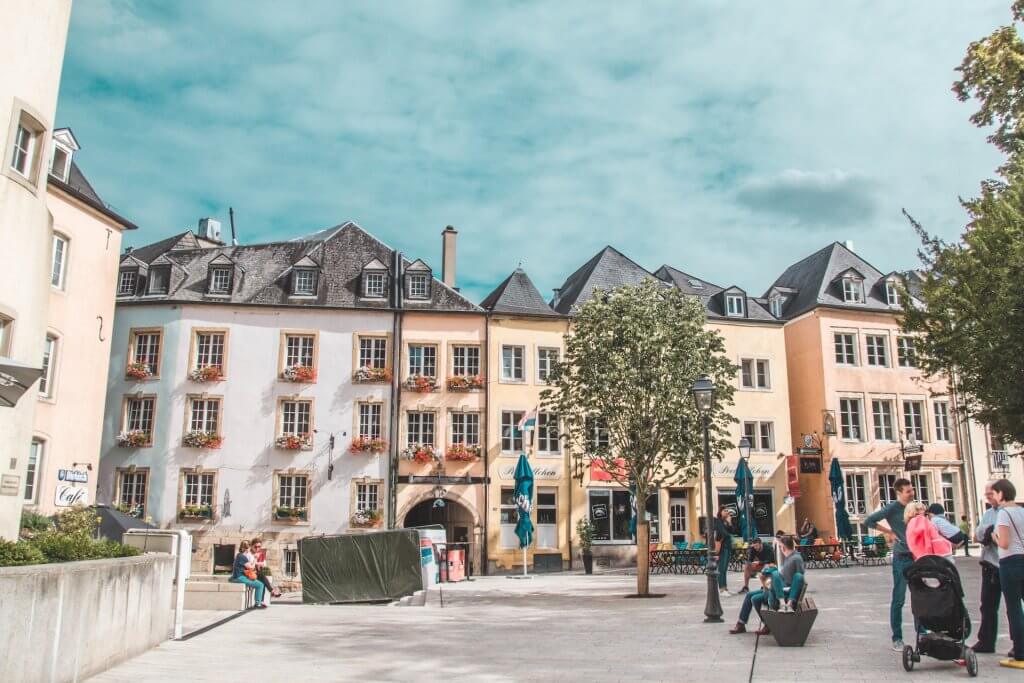
- Historical Center;
- Corniche;
- Doge's Palace;
- Notre Dame cathedral;
- Bock and Petrusse casemates;
- Museum of History of the Village of Luxembourg.
Historical Center
Corniche
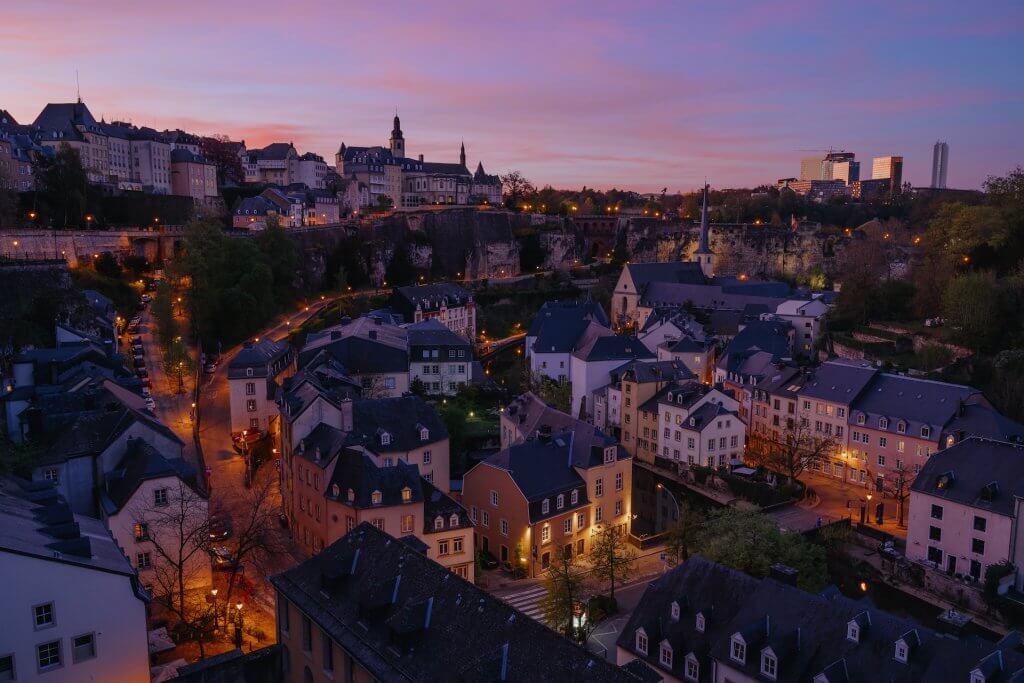
The region known as the Corniche is actually called Chenin de la Corniche and is considered the most beautiful view of the city. In addition, many call the place “balcony”, so beautiful is the view you have from there, which overlooks the entire lower city cut by the river and its bridges. You can also see the vegetable garden next to the river, which is responsible for the production of wines.Doge's Palace
Bearing in mind that the country is a Grand Duchy, one of the things that should be on the list of things to do in Luxembourg. Obviously, is visiting the official residence of the royal family, the Ducal Palace, which was built between 1572 and 1574. The architecture of the building is in the Spanish Renaissance style. And from time to time there is a changing of the guard in front of the Palace. During most of the year you can only see it from the outside, but during the summer it is possible to take a guided tour lasting 45 minutes, usually at 4 pm. To reserve a place in the small group of 40 visitors, you must go to the Tourist Office some time in advance.Notre Dame cathedral
In Luxembourg, it is the only cathedral in the city and was built between 1613 and 1621 with the aim of being a church for the Jesuit college. The architecture mixes the Baroque and Renaissance styles, however, some Gothic elements are also observable.Bock and Petrusse casemates
Museum of History of the Village of Luxembourg